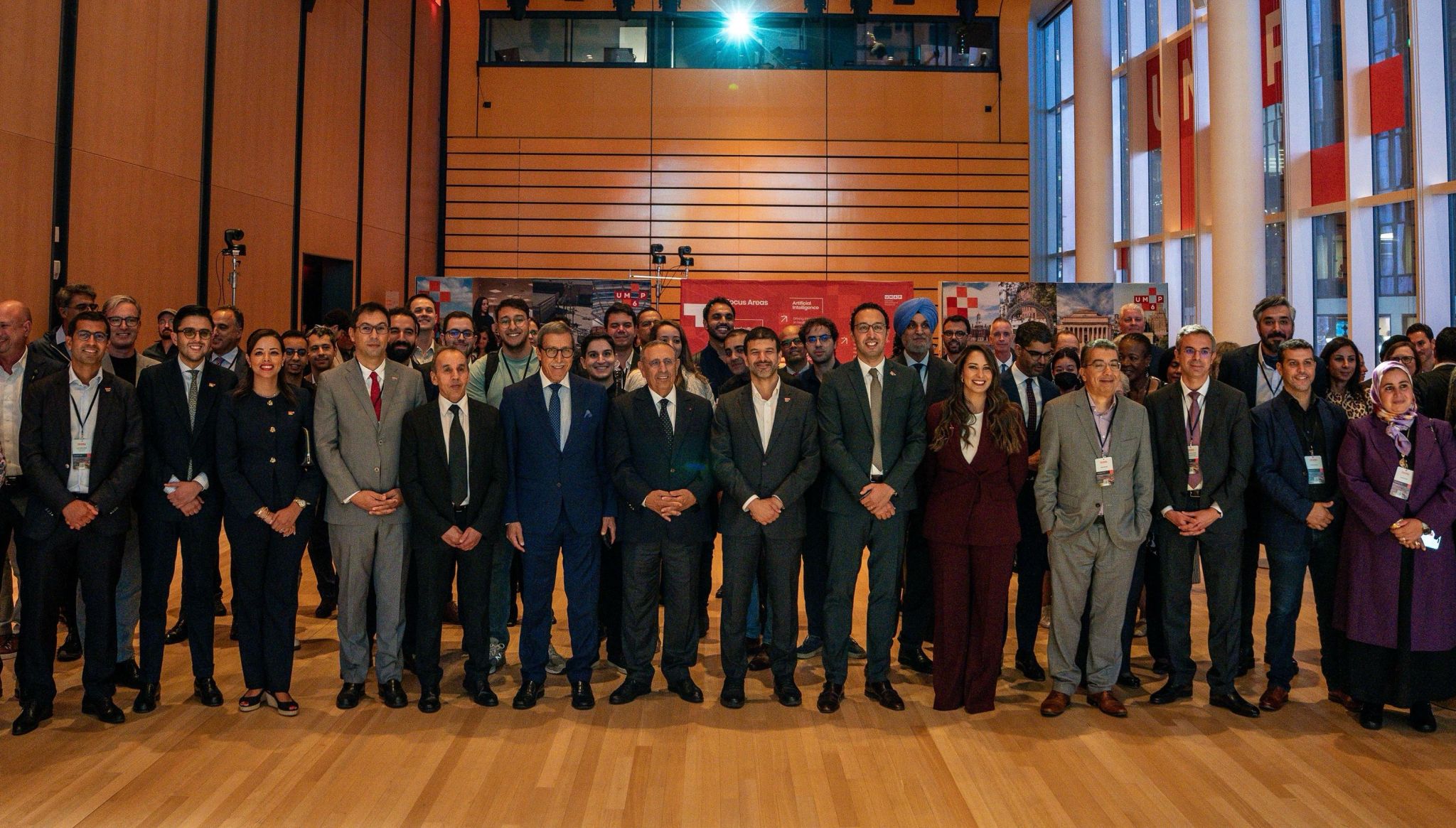
Africa isn’t asking to be invited to the table anymore. With UM6P’s new U.S. presence, it’s building its own. That changes everything.
A milestone — but not the kind you celebrate with a press release
The launch of the Université Mohammed VI Polytechnique (UM6P) Global Hub in New York and Cambridge, Massachusetts, is being called historic — and it is. But the real significance isn’t in the geography. It’s in the signal.
For decades, Africa has been the subject of global conversations. This hub makes Africa a convener of them.
Today’s most pressing global challenges — climate change, food security, energy transitions, digital transformation — do not have solutions sitting in any one country or continent. They require what this hub is designed to enable: genuine co-creation, not aid-driven collaboration. Not extractive research partnerships. Not diaspora engagement as an afterthought.
What UM6P is actually building
The bridge this hub creates isn’t symbolic. It connects four things that rarely appear in the same room:
1 — African innovation to U.S. capital and marketsStartups and researchers from Morocco and across Africa gain direct access to U.S. venture ecosystems, accelerators, and institutions like MIT, Columbia, and Harvard — on terms that preserve African intellectual ownership.
2 — Diaspora expertise as a strategic assetMoroccan and African diaspora communities in the U.S. hold expertise, networks, and capital that have historically flowed away from the continent. The Hub creates a structured channel to reverse that — through mentorship, co-investment, and co-creation at scale.
3 — Research aligned with real-world problemsCollaborative research in agriculture, renewable energy, water, and health — grounded in African realities, validated by global standards. This is the kind of applied science that moves systems, not just citation counts.
4 — Leadership built for the next economyExecutive education programs designed to develop leaders who can operate across continents, negotiate equitable partnerships, and build institutions that outlast any single project or grant cycle.
The question that determines whether this matters
Every institution that opens a hub, a center, or a partnership office faces the same fork: does this become a mechanism for real, measurable impact — or an expensive symbol of ambition?
The honest answer depends on three things: whether collaborations are designed with clear theories of change — not just MOUs. Whether African partners hold decision-making power, not just participation rights. And whether the outcomes are measured with rigor, transparency, and a genuine willingness to course-correct.
The bridge is built. The test isn’t the opening — it’s the traffic.
What this means for the broader Africa–U.S. ecosystem
If UM6P executes this well, the implications go far beyond a single institution. It sets a precedent: that African universities can anchor global partnerships from a position of strength, not supplication. That African-led research can define the terms of collaboration with the world’s most prestigious institutions. That the diaspora can be a strategic constituency, not a passive community to be celebrated at annual galas.
That model — if it works — becomes a template. For other African universities. For other governments. For the entire architecture of Africa–U.S. collaboration.